
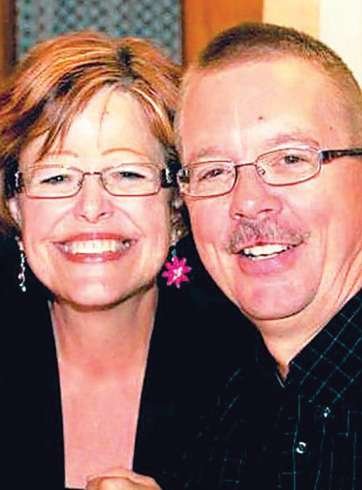
 By: Steve Wilmot
The comma is a punctuation mark used mainly for separating a list of things, or to take us in a different direction, almost like a sleight of hand trick.
The author says one thing that would lead us to conclude his next thought is this, only to discover a comma and learn the next thought is really that.
We see this latter use of the comma often in the Bible. Let’s glance at two examples.

“Or do you not know that wrongdoers will not inherit the kingdom of God? Do not be deceived: Neither the sexually immoral nor idolaters nor adulterers nor men who have sex with men nor thieves nor the greedy nor drunkards nor slanderers nor swindlers will inherit the kingdom of God, and that is what some of you were. But you were washed, you were sanctified, you were justified in the name of the Lord Jesus Christ and by the Spirit of our God” (1 Corinthians 6.9-11).
I can find myself on that list of those who will not go to heaven a couple of times. How about you? Reading that list and knowing we’re included in it doesn’t produce a lot of peace and comfort about our future, does it?
But then the comma shows up: “, and that is what some of you were.” Were — past tense. Were — not what we are today; not what we are any longer.
We were included in that list of those whose path led to hell, but no longer. We used to be one thing, now we’re something different because of Jesus.
And that’s true even when we still slip up and commit that same sin again. It no longer defines us. It’s not who we are: adulterer, drunkard, slanderer. We were sinners, but now we are saints.
Sinlessness will not become reality in this life, but when we realize we are not who we used to be, when we realize the incredible act of transformational love Jesus has for us, we will begin to sin less…and less…and less.
So, what happened to change us from what we were to what we are now? “But you were washed, you were sanctified, you were justified in the name of the Lord Jesus Christ and by the Spirit of our God.”
Jesus and the cross happened. The moment you decided to follow Jesus, you were changed. The old you (the one on the list) was gone, and the new you came into being. Thank God for the comma.
Here’s another example. “Simon, Simon, Satan has asked to sift all of you as wheat. But I have prayed for you, Simon, that your faith may not fail. And when you have turned back, strengthen your brothers’” (Luke 22.31-32).
When Jesus said this to Simon Peter, he was headed to the cross. He knew Peter would deny him just a few hours hence.
So, Jesus spoke these words — words that didn’t register with Peter at the moment, but words that would mean everything to him in the aftermath of his failure to stand up for Jesus.
Nine words, separated by a comma. “And when you have turned back, strengthen your brothers.”
Before the comma, Jesus declares that Peter is going to fail. Just like us. We’re going to make commitments to Jesus and others and break them. We’re going to lose our tempers. We’re going to blow it with our kids. We’re going to sin.
But that’s not really Jesus’ point in the phrase before the comma. His point is that even though we will blow it, he won’t turn his back on us. We will be restored. We will know redemption and reconciliation. Jesus is not going to let us go, no matter how huge our failure seems to us.
Now, as cool as that is, don’t miss the comma. If you do, you’ll presume what comes next is something like this: “You will fail me, but you will come back. When you do, you must repent until you are clean enough.
Oh, and stay away from ministry opportunities, too. How can you minister to others when your own life is such a mess? And here are 15 things you must do if you want to get back in my good graces.”
Isn’t that how we usually feel after we’ve messed up and then turn back to God? That’s not what Jesus said to Peter. He doesn’t say that to us either. Instead, he drops a comma like a grenade: “And when you have turned back, strengthen your brothers.
“Go show others how their failures don’t have to define them. Wrap your arm around them and assure them I still love them and want them on my team. Tell them not to beat themselves up or cower in a corner in shame or stand on the sidelines feeling unqualified and unworthy. Let them know I want them back in my arms, by my side, partnering with me in reaching out to others with love, acceptance, hope, and power.”
Oh man, you gotta love the comma!
———————–
Steve Wilmot is a former Edgerton, Ohio area pastor who now seeks “to still bear fruit in old age” through writing. He is the author of seven books designed to assist believers to make steady progress on their spiritual journey.