
 By: Renea Kessler
THE VILLAGE REPORTER
renea@thevillagereporter.com
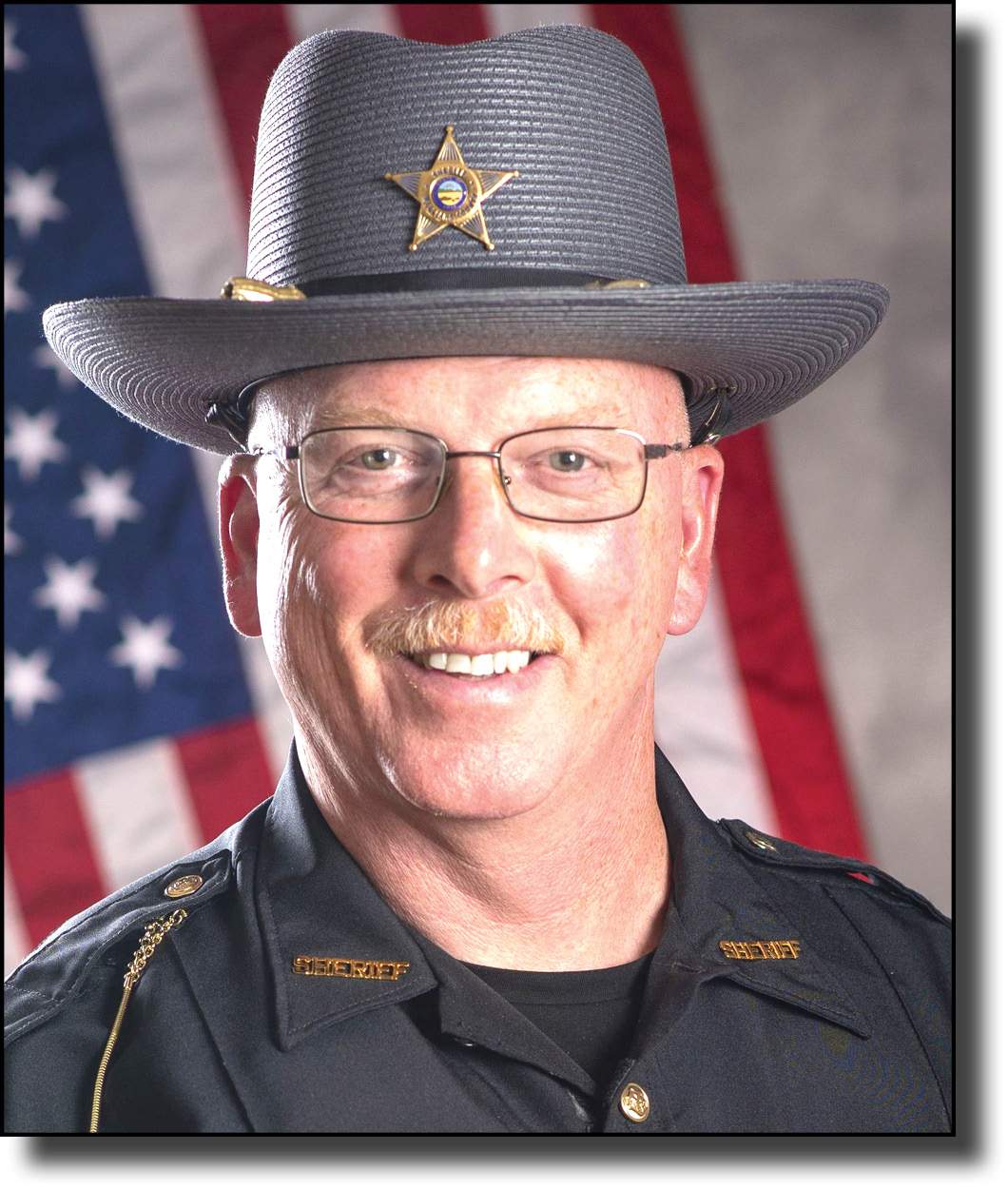
Sheriff Tom Kochert has been appointed to serve on the Ohio Peace Officer Training Commission, a position that gives him a direct voice in shaping law enforcement training across the state.
His appointment fills the seat previously held by retired Sheriff Mike Heldman of Hancock County, who was widely respected for his decades of service and multiple terms on the commission.
Kochert explained that the process began during the February 2024 Sheriff’s Conference in Columbus, where Heldman announced he would not seek reelection.

With the upcoming vacancy, multiple sheriffs from across Ohio submitted applications to the governor’s office. Kochert was ultimately selected from a competitive pool that included candidates from some of the state’s largest counties.
“When I got the call from the governor’s office in September, I was honestly shocked,” Kochert said.
“There were sheriffs from much larger counties with hundreds of employees. To be chosen from a small, rural Northwest Ohio county was very humbling.”
The Ohio Peace Officer Training Commission is made up of representatives from across law enforcement, including the superintendent of the Ohio State Highway Patrol, representatives from police chiefs, the Fraternal Order of Police of Ohio, legal and regulatory advisors, and a representative from the Federal Bureau of Investigation. Kochert is one of just two incumbent sheriffs who hold seats.
The commission’s main responsibility is to oversee the Ohio Peace Officer Training Academy in London, Ohio, which sets the standards and curriculum for law enforcement across the state.
“OPOTA,” as it’s commonly called, determines everything from the number of training hours required in each discipline to the structure of firearm qualifications.
“If you want to be a police officer in Ohio, no matter if you work for a small village department, a sheriff’s office, the highway patrol, or a state agency like DNR or liquor control, your training has to be OPOTA-approved,” Kochert explained. “We oversee all of that.”

The commission sets standards for firearms qualifications, driving instruction, defensive tactics, de-escalation, legal updates, and other required training components.
It also manages certification and recertification for peace officers returning to service after a break.
In addition, the commission establishes the curriculum for instructor certifications in specialized areas, ensuring that agencies across the state follow the same professional training standards.
“Ultimately, if you have arrest powers in Ohio, your certification comes through the Peace Officer Training Commission,” Kochert said.
For Kochert, the appointment is a reflection of his own strong commitment to officer training. He credits much of that mindset to his earlier career with the Ohio Department of Natural Resources, where he received advanced, hands-on instruction in firearms, tactics, and scenario-based training.

“I didn’t realize at the time how cutting-edge some of that training was,” he said. “We were doing force-on-force drills and night shooting years before many agencies. That kind of training stuck with me, and I’ve made it a priority ever since.”
Since taking office, Kochert has expanded the department’s training team from just one instructor to multiple certified specialists in driving, defensive tactics, firearms, and other critical areas.
“My job is to keep my deputies alive for their entire career and make sure we’re serving the public the right way,” he said.

“Training isn’t just about shooting or driving, it’s about talking to people, handling situations properly, and doing the whole job.”

Kochert said that the approach is rooted in ensuring the community receives quality service. “When someone calls law enforcement, they deserve help and clear answers,” he said.
“Even if we can’t take criminal action because it’s a civil issue, we should be explaining why and guiding them toward the right resources. That’s what doing the job fully looks like.”
Serving on the commission gives Kochert a say in shaping how all Ohio law enforcement officers are trained, a responsibility he doesn’t take lightly.
“This is a seat a lot of sheriffs want because it directly impacts how officers are prepared to serve,” he said.

“I’m grateful to have the opportunity to represent Northwest Ohio and make sure the voice of smaller counties is part of that conversation.”