
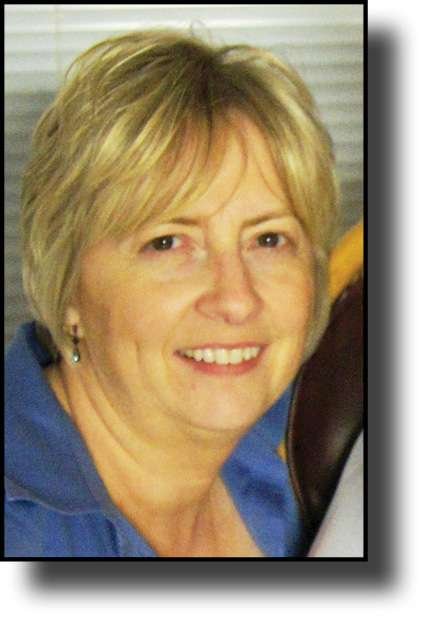
 By: Marlene Oxender
Montpelier, Ohio
A postcard – that’s all it was. A small piece of paper that had never been thrown away, stored for decades in a cardboard box.
My father was a young man when he received notice from the United States Selective Service to report to the American Legion Hall in Bryan, Ohio, on January 28th at 8 a.m. for a physical examination.
The postcard is dated January 23, 1941. It states that failure to report was punishable by imprisonment and fine and could result in losing valuable rights.

Nearly 80 years after Dad had received the postcard, I found it in one of many boxes that had been stored on a shelf in my parents’ home.
As I read the words, I thought how my father had once read those same words. He would have held the card in his right hand. His thumb would have been in the same place as mine as he read the message on the postcard.
To him, the words meant his days ahead would be full of goodbyes. And full of uncertainty. To me, the postcard was part of Dad’s story, and I already knew the ending. But it made me wonder about the beginning. And the middle.
In October of 1940, men between the ages of 21 and 35 were required to register with their local draft board, marking the start of the WWII draft process.
My father was standing in the post office when he read those words for the first time. I wonder what his thoughts were. Did he turn to the person next to him and tell them the news?
He worked at Busy Corner, a store that was popular in Edgerton. Did he drive there to show them the postcard, or did he head to his parents’ home in Hicksville?

Dad wrote in his memoir that he’d been led to believe his military days would be completed in a year or so, but he came home nearly five years later. While he was gone, someone took care of his car and kept his papers and belongings safe until he returned.
I wonder how many of those postcards are still in existence. How many men kept that piece of paper?
Nearly all of us have a cardboard box tucked away somewhere in our home. It’s full of things we chose to keep. Our high school diploma is in that box, along with the tassel from our graduation cap.
There may be a ticket stub from a concert back in 1979, programs from high school musicals, photos and scrapbooks, and a few papers with Xs and Os written at the bottom.
Had my father not saved the papers he once held in his hands, I would have missed part of his life story. I would not be able to share his experiences with others, and I could not have written my Picket Fences book.
My dad was from a large family, so becoming the father of eleven children may have seemed ordinary to him in some ways.
But before Stevie’s birth, he could never have imagined becoming the father of a child with Down syndrome. Life has a way of putting postcards in our hands, quiet notices that let us know things will be changing.


My father didn’t choose the postcard that sent him off to war. And he didn’t choose the one that came years later when he learned Stevie would be different from the child he expected. I can look at my father’s story and see the plot twists. I can write about the detours and delays. I can tell you about his cares and concerns.
When Dad placed the postcard in safekeeping back in the 1940s, he likely knew it would someday become a conversation piece. But he was a young man in the middle of his story, and his draft card remained in storage all the days of his life. He had never unpacked the card to show to others.
Someday, another hand will lift the lid on our cardboard box. They’ll see the paper trail we left behind and find answers to questions they didn’t know they had. They’ll learn more about the beginning and the middle of our life.
And since our box has room for one more piece of paper, we can surprise them by leaving a note. They’ll see our handwriting once again as they read the words we penned to them. They’ll turn to the closest person and tell them what they just found.

And although the words in the letter already reside in their heart, they’ll appreciate the fresh batch of Xs and Os we left behind. They’ll feel our presence once again as they tuck that little piece of paper into their own box – one that will be opened years later by another pair of younger hands.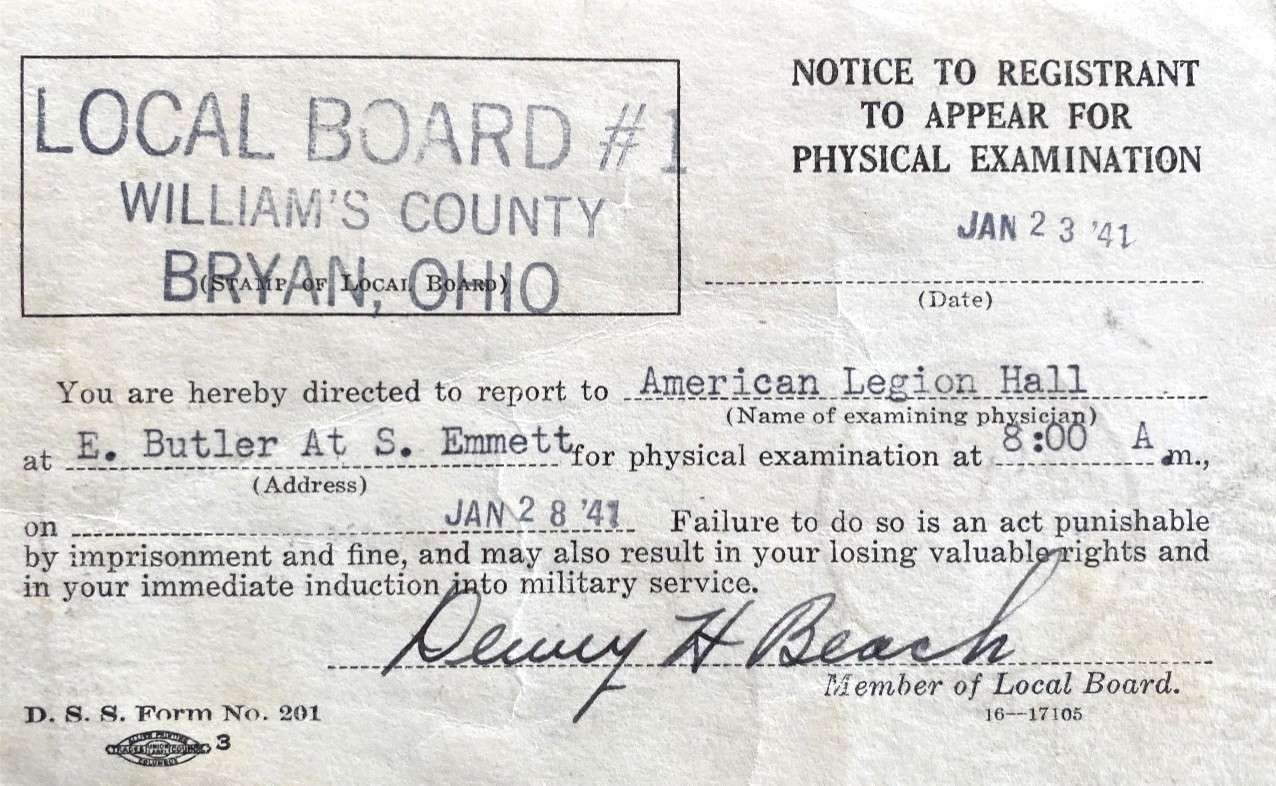
———————-
Marlene Oxender is a writer, speaker, and author. She writes about growing up in the small town of Edgerton, her ten siblings, the memorabilia in her parents’ estate, and her late younger brother, Stevie Kimpel, who was born with Down syndrome. Her three published books, Picket Fences, Stevie, and “Grandma, You Already Am Old!” are available on Amazon. Marlene can be reached at mpoxender@gmail.com