
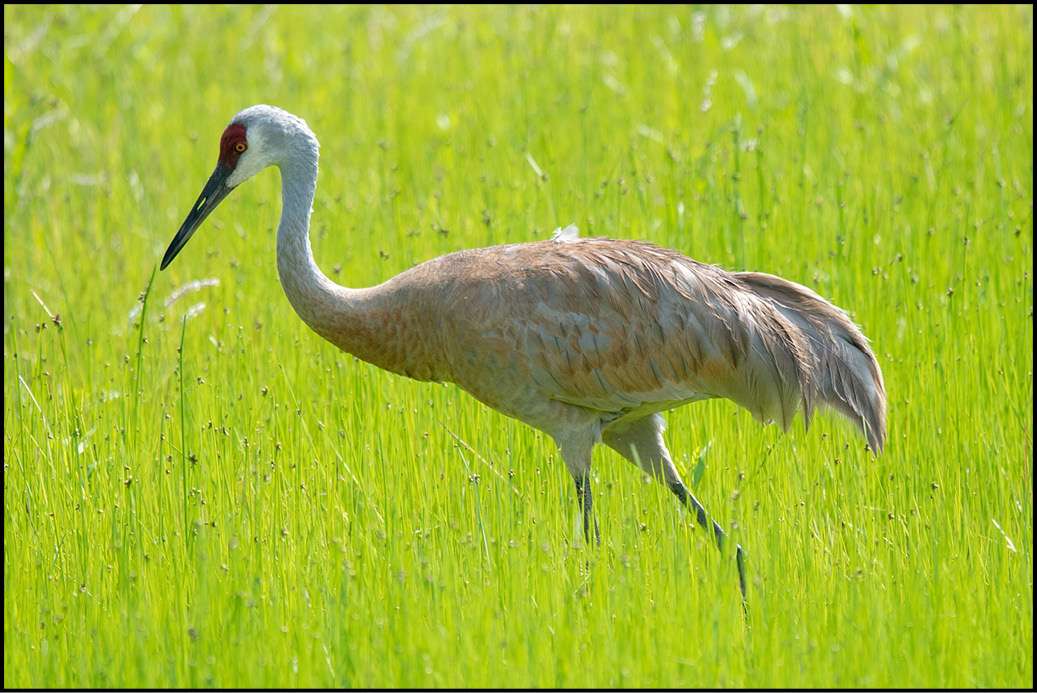
Volunteer observers reported 344 sandhill cranes in Ohio during the 2026 Midwest Crane Count, according to the Ohio Department of Natural Resources Division of Wildlife.
The count was coordinated by the Division of Wildlife, Ohio Bird Conservation Initiative, and International Crane Foundation.
During the 2025 count, volunteers observed 428 cranes. The three-year average (2023-2025) for the count is 405 cranes.

This year’s count declined because inclement weather prevented some observers from conducting the survey.
Volunteers surveyed 33 counties this year and found cranes in 27 of them. The five counties with the most sandhill cranes reported during the 2026 count were Ottawa (63), Wayne (61), Geauga (40), Ashtabula (37), and Lucas (24).
The inaugural Midwest Crane Count was in 2021, and this was the sixth year for the count. Ohio’s count results, by year:
-2026: 344 (33 counties surveyed)
-2025: 428 (31 counties surveyed)
-2024: 412 (32 counties surveyed)
-2023: 357 (30 counties surveyed)
-2022: 311 (26 counties surveyed)
-2021: 160 (five counties surveyed)
These regal birds were once extirpated from Ohio. They returned to Wayne County in 1987 to breed and have been slowly expanding since.
An increase in the sandhill crane population is an indicator of improving habitat conditions and water quality. However, they are still listed as a threatened species in Ohio.

Pre-selected counties are surveyed during the crane’s nesting season to monitor Ohio’s growing breeding population of sandhill cranes.
Counties are selected based on the availability of wetland habitat that cranes use for nesting. Killbuck Marsh and Funk Bottoms wildlife areas in Wayne County, as well as the western Lake Erie marshes in Lucas, Ottawa, and Sandusky counties, are prime breeding areas for sandhills.
This year, volunteers searched assigned locations in probable crane habitat from 6:30-8:30 a.m. on Saturday, April 18, and reported results via eBird.
A sandhill crane is a tall wading bird characterized by a long neck and bill. It is mostly gray in plumage with a red patch on its forehead.
It is often recognized by its rolling bugle call. During the breeding season, sandhills are secretive and take on a rusty color from muddy environments.
Sandhills are migratory, breeding in wetlands across the northern U.S. and Canada, and wintering farther south in North America. Wildlife enthusiasts can support sandhill cranes by purchasing an Ohio Wildlife Legacy Stamp.

All of the stamps’ proceeds go to wildlife conservation, benefiting species of greatest conservation need through the Wildlife Diversity Fund. This fund supports habitat restoration, wildlife and habitat research projects, creation of free wildlife educational materials, as well as efforts to restore and conserve endangered and threatened species.

The legacy stamp can be purchased online through Ohio’s Wildlife Licensing System and at any location that sells hunting and fishing licenses.
A list of sandhill cranes found in each of the 33 counties surveyed during Ohio’s 2026 count is shown below.
The first number following the county’s name shows the number of cranes reported in 2026, and the county’s three-year average (2023-2025) is shown in parentheses. The numbers below are preliminary and subject to change.

Ashland: 2 (4), Ashtabula: 37 (2), Columbiana: not surveyed (2), Delaware: 2 (4), Erie: 0 (2), Fairfield: 5 (1), Franklin: 3 (8), Fulton: 0 (2), Geauga: 40 (54), Hardin: 3 (2), Henry: 3 (2), Holmes: 7 (15), Knox: 1 (11), Lake: 0 (0), Licking: 4 (1), Logan: 5 (6), Lorain: 0 (1), Lucas: 24 (77), Mahoning: 0 (3), Marion: 1 (4), Medina: 4 (6), Morrow: 0 (1), Ottawa: 63 (31), Pickaway: 9 (5), Portage: 6 (7), Richland: 5 (12), Sandusky: 5 (10), Stark: 2 (0), Summit: 9 (5), Trumbull: 23 (7), Tuscarawas: 4 (1), Wayne: 61 (101), Williams: 13 (12), and Wyandot: 3 (6).
2026 total: 344
3-year average total: 405