
By: Renea Kessler
THE VILLAGE REPORTER
renea@thevillagereporter.com
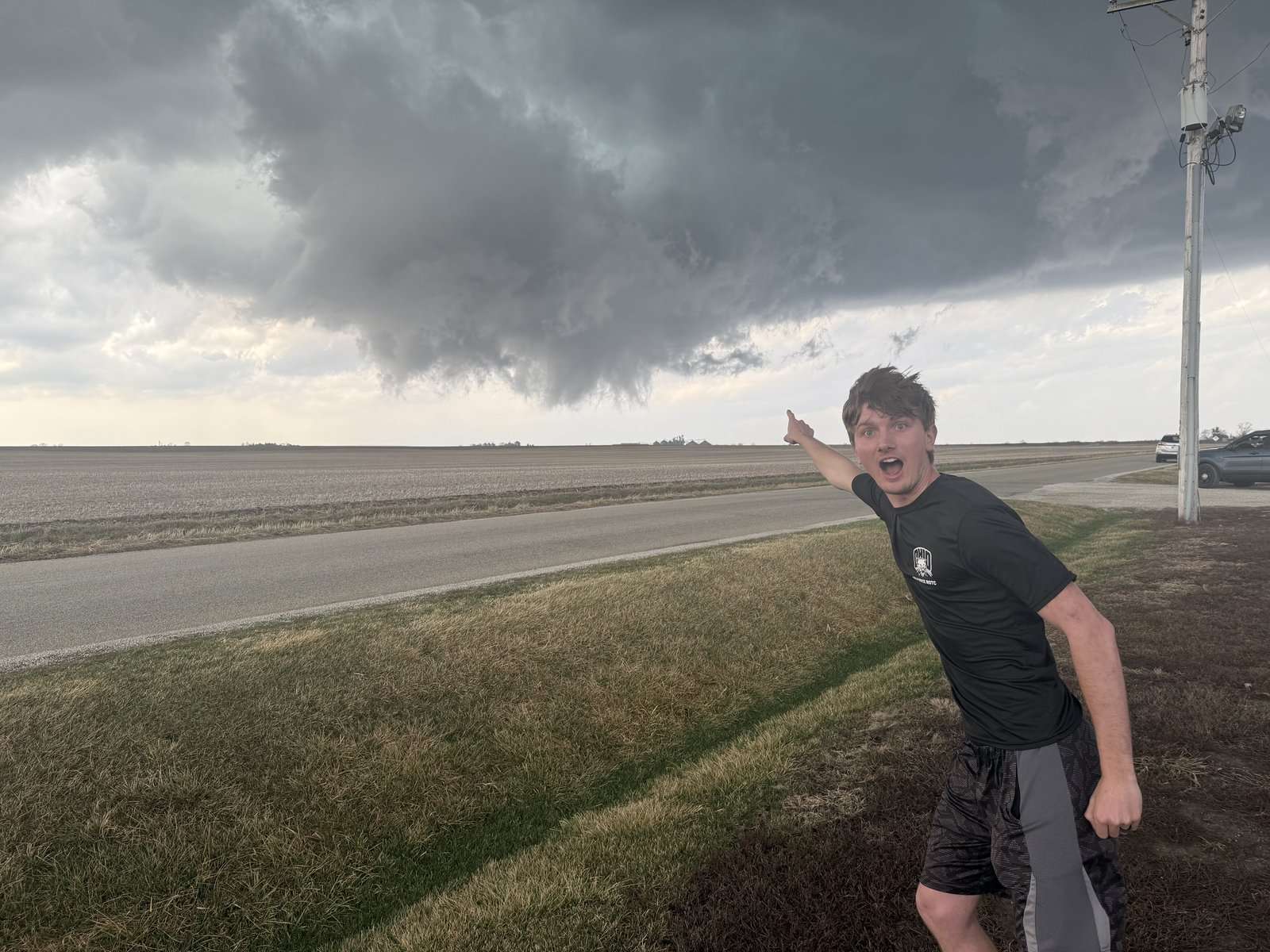
Bryce Reeves has always had an interest in helping others, and now he is working to combine that background with a growing passion for severe weather. Reeves, 22, originally from Minster, Ohio, in Auglaize County, moved to Northwest Ohio in 2010. His family first moved to Swanton and a year later, settled in Delta. He attended Delta schools and went to Four County Career Center during his junior and senior years of high school, where he studied fire and rescue. He now lives in the Delta/Holland area and currently works part-time as he continues building toward his storm chasing goals.
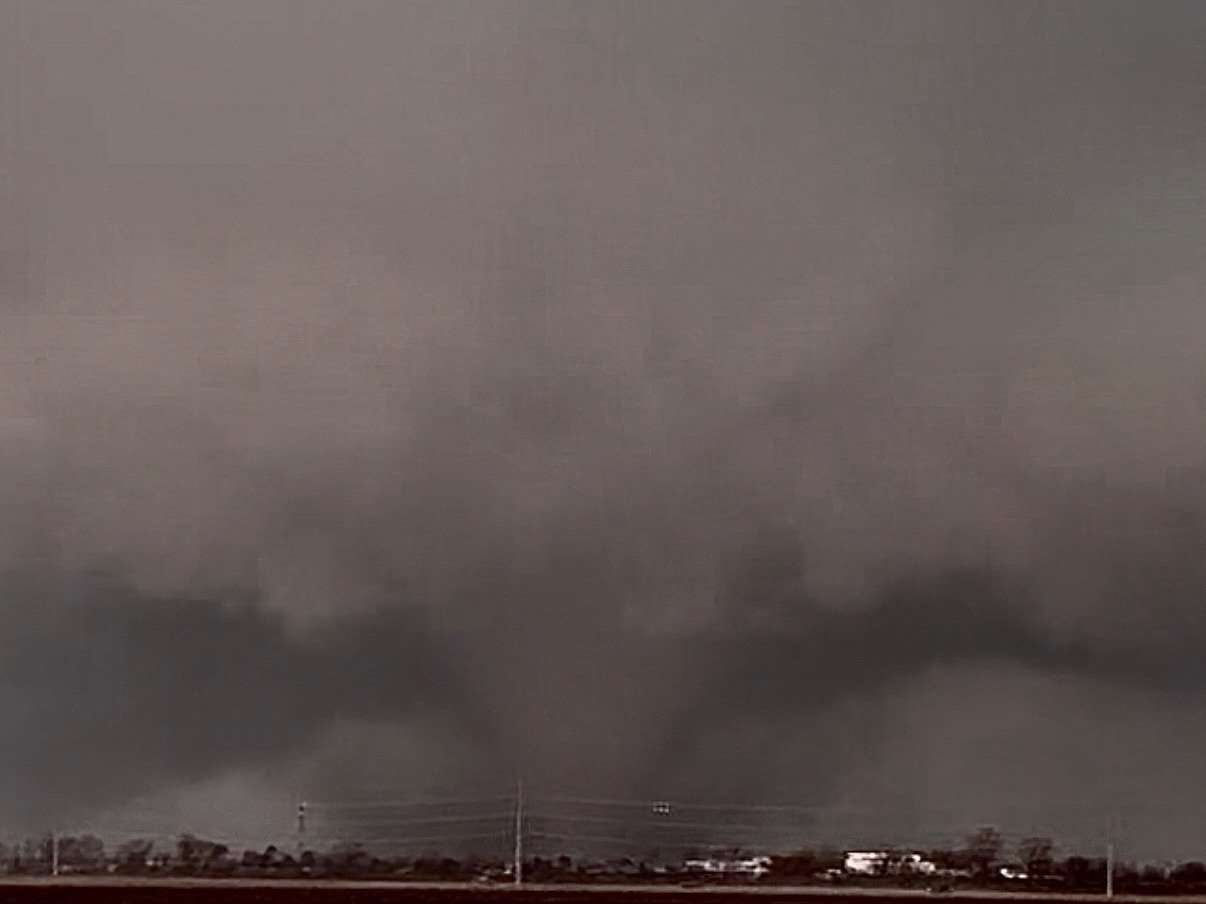
Reeves recently witnessed a powerful tornado during a storm chase in Illinois on March 10, 2026. While he could not name one specific town because the chase moved through several communities, he said the day began with sunshine and only light cloud cover. The chase began near Perry, Illinois, where Reeves said a small rain shower on the radar quickly developed into a much larger storm. “As you are driving, you see all this uplift,” Reeves said, describing clouds rising into the inflow before a wall cloud began to drop. He said seeing a wall cloud form is one of the signs that a storm may be getting close to producing a tornado. Once rotation becomes visible, Reeves said the anticipation builds quickly.
The storm Reeves followed that day did produce a tornado, which he said was later believed to be a high-end EF3. Reeves said witnessing the tornado brought mixed emotions. On one hand, he saw it as an incredible display of nature. On the other hand, he knew the storm was heading toward a town. “It was an amazing moment,” Reeves said, adding that he was also worried because of the possible damage the storm could cause.

His interest in storm chasing began after the March 14, 2024, tornado that struck the Indian Lake area in Ohio. Reeves said he was at his brother’s house that night watching the weather, as his brother lives near that area. After learning the community had been hit, Reeves went to the area and saw the damage firsthand. He said that experience sparked his interest in weather and tornadoes. After about a month or a month and a half of watching radar, studying weather models, and learning more about storms, Reeves decided he wanted to see severe weather in person. He began storm chasing around May 2024 and quickly found that he preferred being on the road rather than only watching storms on radar from home.
Reeves currently uses RadarOmega while chasing storms and livestreams on YouTube using his phone. He said he has a dash camera and plans to eventually use it for streaming as well. Reeves said deciding when to storm chase begins with studying weather outlooks and models well before he gets on the road. One of the first places he looks is the National Weather Service, which issues severe weather outlooks from the current day out several days in advance. Those outlooks help him get an early idea of where storms may develop and how serious the threat could become. He said he pays close attention to the different risk levels, which can range from general thunderstorms to marginal, slight, enhanced, moderate, and high-risk days. Because storm chasing is still a hobby for him, Reeves said he usually does not travel for lower-end setups. Instead, he is more likely to go out when there is an enhanced, moderate, or high risk for severe weather.
However, Reeves said the overall risk level is not the only factor he considers. A moderate or high-risk day may be driven mostly by damaging winds or large hail, rather than tornadoes. Because of that, he also looks closely at the tornado outlook, along with the wind and hail threats, before deciding whether the setup is worth chasing.
He also stressed the importance of safety, especially on the road. Reeves said he saw dangerous driving from other storm chasers during a recent trip to Kansas and believes chasers should follow traffic laws and avoid taking unnecessary risks. “I don’t need to be the first one on the storm,” Reeves said, explaining that he would rather stay safe and catch back up if needed.

His family has had mixed emotions about his storm chasing. Reeves said his mother worries, while his father enjoys occasionally going along on chases. His wife also gets worried but supports him because it is something he enjoys.
Reeves is now working to grow his storm chasing into more than a hobby. He said he hopes to build it into a business and eventually make it a full-time career. For Reeves, the goal is not only to see severe weather, but also to provide useful information and help when possible. With his fire and rescue background, he said he feels he can assist if a community is hit by a storm.
“I have a huge interest in weather,” Reeves said, “but I also know I can help people.”

For those interested in storm chasing, Reeves recommends starting with a SKYWARN spotter course through the National Weather Service. He said people can continue learning through online resources and by studying how experienced storm chasers operate. Reeves said a person does not have to attend college for meteorology to understand storm chasing. He said the key is learning how to read weather models, knowing what to look for, and being determined.
Reeves said another way for beginners to learn about storm chasing is to watch experienced storm chasers and study how they operate in the field. He pointed to Reed Timmer as one of the well-known storm chasers whom people can learn from, describing him as an extreme meteorologist. Reeves said he enjoys watching Timmer but added that his own approach to chasing is different. While Timmer is known for getting extremely close to tornadoes, Reeves said he does not want to chase in that same way.
Instead, Reeves said one storm chaser he looks up to is Brandon Copic, who he said is also from Northwest Ohio, the Toledo area. Reeves described Copic as someone he would like to model himself after, calling him a great storm chaser and a great person.
Reeves streams his storm chasing on YouTube under the name Storm Chaser Bryce Reeves. He said he is also looking for sponsors and partnerships to help support the travel, equipment, maintenance, fuel, technology, and safety costs that come with chasing severe weather.